Best AI Models This Week: October 7, 2026
Five models worth knowing this week. Every number here comes from two public boards. Artificial Analysis carries the intelligence index and OpenRouter carries the live price per million tokens. Nothing below is hand typed.
// In this post
- Claude Opus 5.5- The top of the board
- Claude Sonnet 5.5- Near top ability at half the price
- GPT-6.1 Sol- OpenAI's near top model at a lower price
- Muse Spark 1.3- Meta's agent model at a mid price
- GLM-5.3-Flash- The cheapest strong model this week
Claude Opus 5.5
What it does
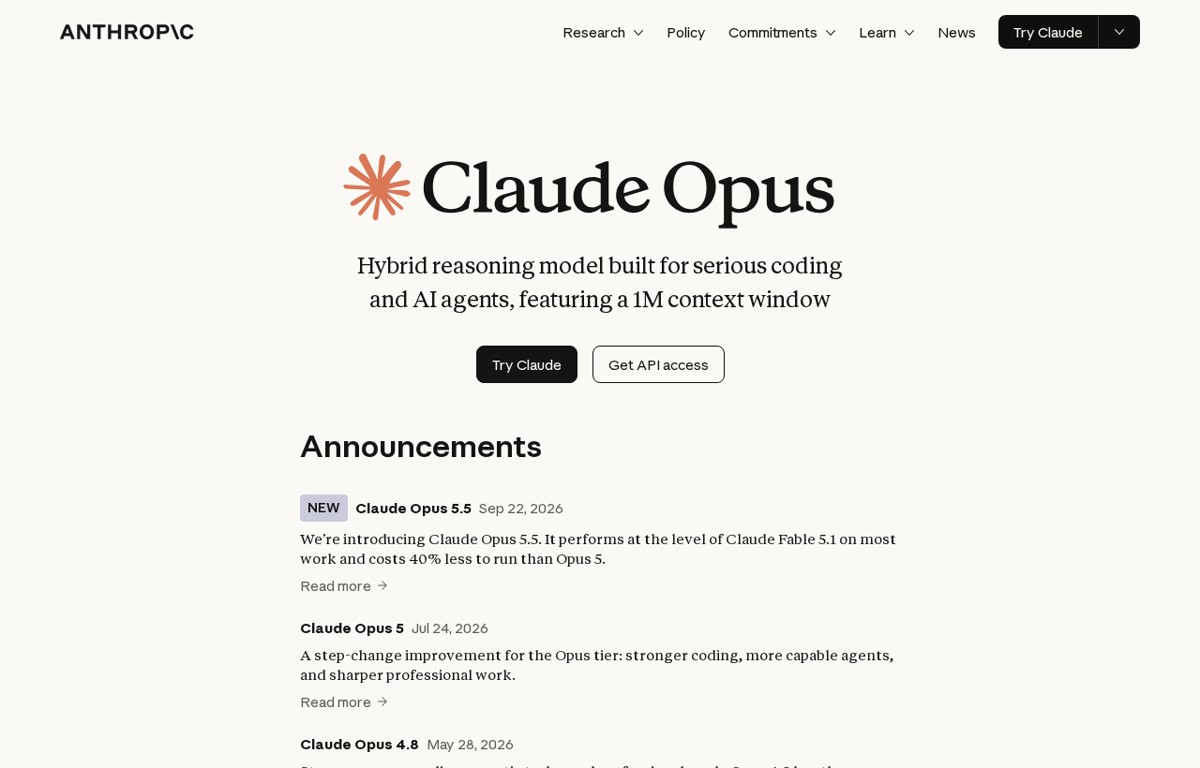
Anthropic's flagship Claude model. The page describes it as a hybrid reasoning model for coding and agents. It carries a one million token context window.
Where it runs
Agent work and coding tasks that need the deepest reasoning.
It earns a place because it holds the top of the index this week. Anthropic says Opus 5.5 reaches the level of Claude Fable 5.1 and costs about 40 percent less to run than Opus 5. The trade is the output price.
Artificial Analysis gives it an intelligence index of 57.62 on 7 October 2026. That is the highest index on the board. OpenRouter lists it at $4.00 per million input tokens and $20.00 per million output tokens on the same date. The weakest point is that output price, which is the highest of the five.
Claude Sonnet 5.5
What it does
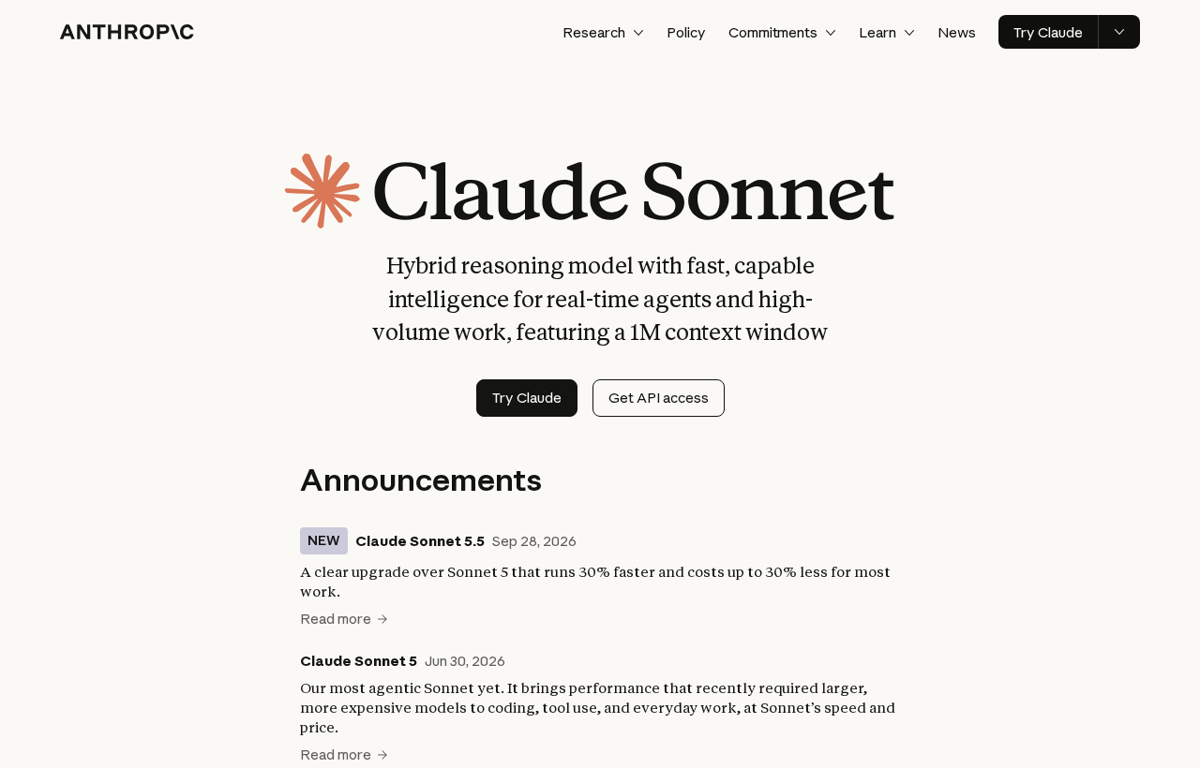
Anthropic's fast Claude model. The page calls it a hybrid reasoning model for real time agents and high volume work. It also carries a one million token context window.
Where it runs
High volume agent work where speed matters and the top model is more than the job needs.
It earns a place because it sits second on the index at half the input price of Opus. Anthropic says Sonnet 5.5 runs 30 percent faster than Sonnet 5 and costs up to 30 percent less for most work. For many teams this is the value pick of the top two.
Artificial Analysis gives it an intelligence index of 56.00 on 7 October 2026. It sits just under Claude Opus 5.5. OpenRouter lists it at $2.00 per million input tokens and $10.00 per million output tokens on the same date. The weakest point is that its input price is still high beside the cheaper models below.
GPT-6.1 Sol
What it does
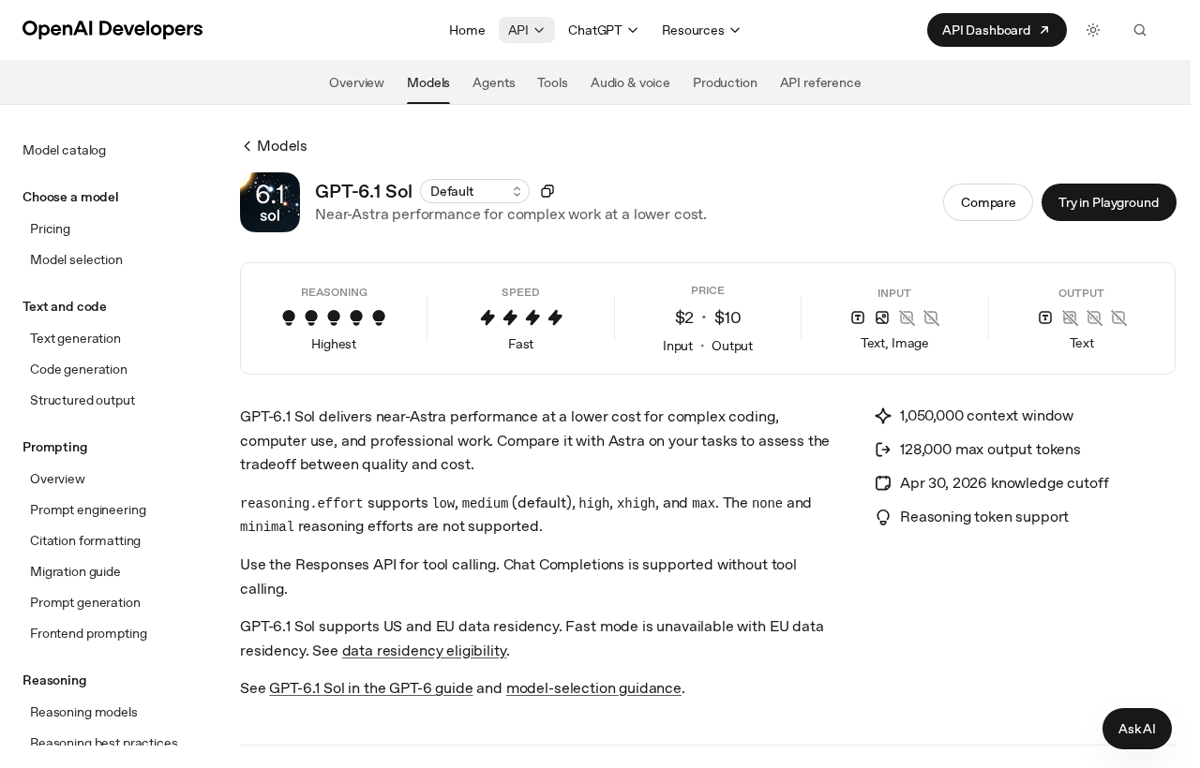
OpenAI's main reasoning model. The model page describes near Astra performance for complex work at a lower cost. It lists a 1,050,000 token context window and a 128,000 token output limit.
Where it runs
Complex coding and professional work that wants near top quality without the top price.
It earns a place because it holds a strong index at half the Opus input price. The page pitches it as the balance between quality and cost against OpenAI's own top model. Its input price matches the Sonnet model above.
Artificial Analysis gives it an intelligence index of 51.83 on 7 October 2026. OpenRouter lists it at $2.00 per million input tokens and $10.00 per million output tokens on the same date. The strongest point is that index at that price. The weakest point is the output price, which is well above the cheaper models below.
Muse Spark 1.3

What it does
Meta's compact Muse model. The Muse page lists Muse Spark 1.3 as a release and describes Muse as a personal AI agent. It sits in the middle of the board on both index and price.
Where it runs
Agent work that wants a strong model without paying the top two prices.
It earns a place because it is the best value in the upper half of the board. It scores near the top group and costs a fraction of what they do on input. The catch is the output price.
Artificial Analysis gives it an intelligence index of 48.09 on 7 October 2026. OpenRouter lists it at $1.25 per million input tokens and $4.25 per million output tokens on the same date. The strongest point is that index for that input price. The weakest point is that it still trails the top three on ability.
GLM-5.3-Flash
What it does
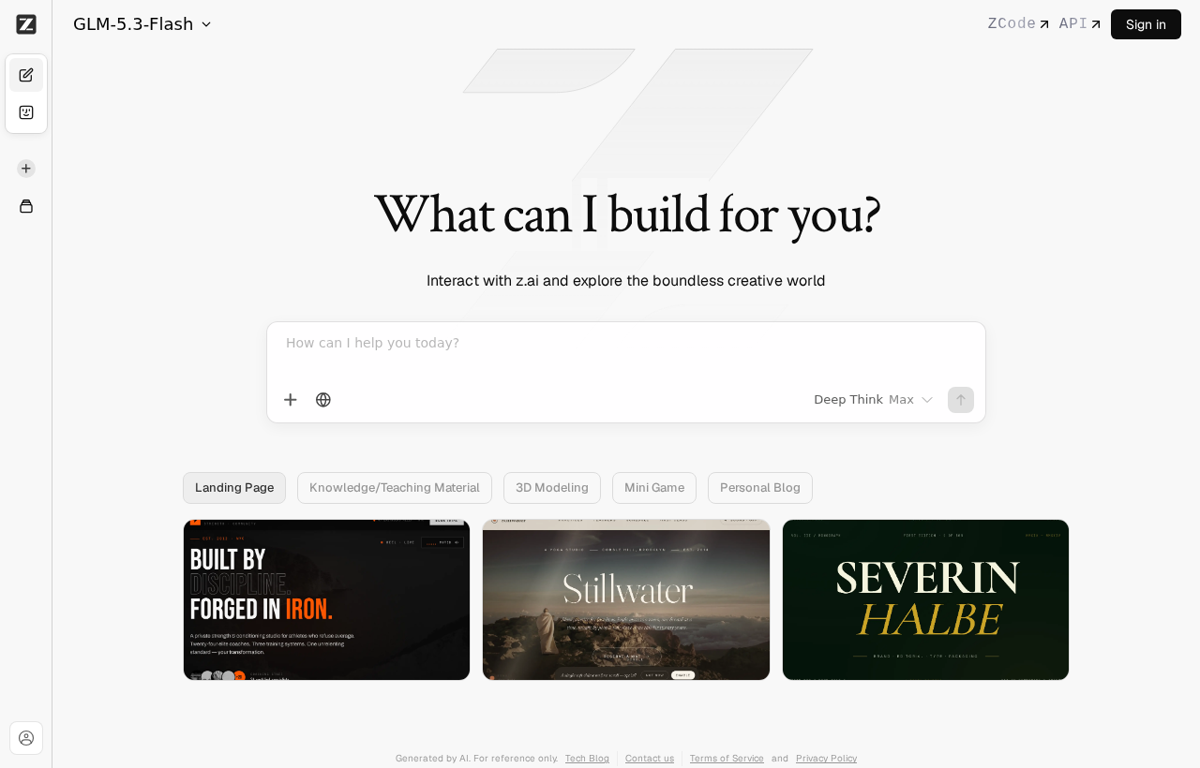
Zhipu's fast GLM model. The Z.ai interface serves it with a one million token context window. It is the cheapest model of the five on both input and output.
Where it runs
High volume work where the price per token decides the choice.
It earns a place because it is the value pick of the week. It scores close to 42 on the index and costs cents where the top models cost dollars. A team that runs a lot of tokens can move a large workload here for a small spend.
Artificial Analysis gives it an intelligence index of 41.81 on 7 October 2026. OpenRouter lists it at $0.15 per million input tokens and $0.50 per million output tokens on the same date. The strongest point is that output price, which is the lowest of the five. The weakest point is that its index is the lowest of the five.
How to choose from this list
- Start with the price you pay for output. That is the number that grows with a long answer.
- Match the model to the job. A coding agent and a high volume chat bot do not need the same model.
- Check the context window if you feed long documents. All five here carry about a million tokens.
The boards move every week. Artificial Analysis and OpenRouter are the two sources we read for this post.
// The five again, with links
- Claude Opus 5.5- www.anthropic.com
- Claude Sonnet 5.5- www.anthropic.com
- GPT-6.1 Sol- platform.openai.com
- Muse Spark 1.3- ai.meta.com
- GLM-5.3-Flash- z.ai
Ready to Build with AI?
See how AiBrainBuilders designs and deploys AI agents for business operations - or brings expert training to your team.
Request a ConversationDisclosure: some links on this page may be affiliate links. If you buy through one, we may earn a commission at no extra cost to you.